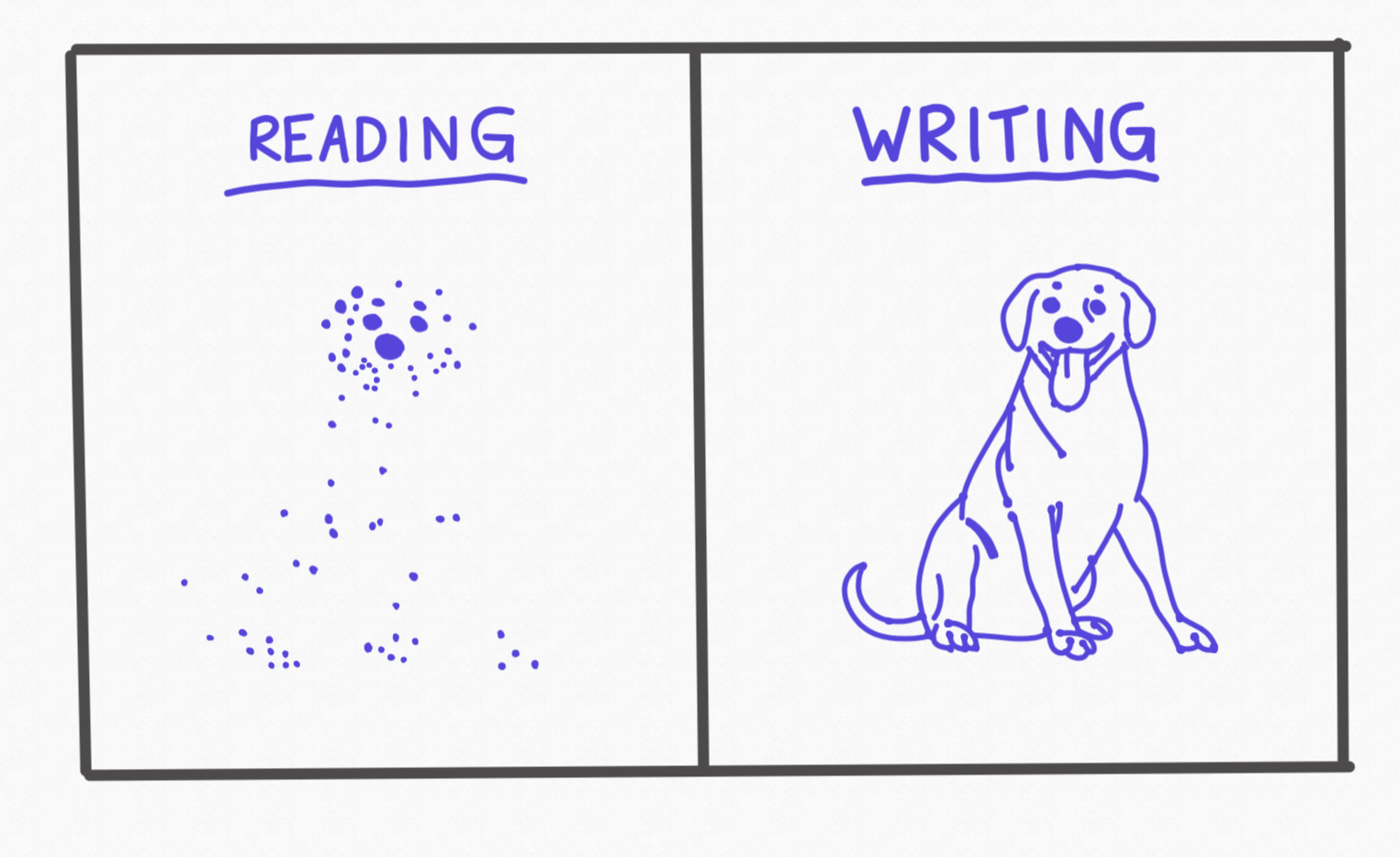
Proust says, in reality, every reader is, while he is reading , the reader of his own self. The writer’s work is merely kind of optical instrument which he offers to the reader to enable him to discern what, without this book, he would perhaps never have experienced in himself. And the recognition by the reader in his own self of what the book says is the proof its veracity.
The experiences of fictional characters afford us a hugely expanded picture of human behavior, and thereby a confirmation of the essential normality of thoughts or feelings unmentioned in our immediate environment. Yeah. Reading fictions makes us feel less lonely.
Alain de Botton: “An effect of reading a book which has devoted attention to noticing such faint yet vital tremors is that once we’ve put the volume down and resumed our own life, we may attend to precisely the things the author would have responded to had he or she been in our company. Our mind will be like a radar newly attuned to pick up certain objects floating through continuousness; the effect will be like bringing a radio into a room that we had thought silent, and realizing that the silence only existed at a particular frequency and that all along we in fact shared the room with waves of sound coming in from a Ukrainian station or the nighttime chatter of a minicab firm. Our attention will be drawn to the shades of the sky, to the changebility of a face, to the hypocrisy of a friend, or to a submerged sadness about a situation which we had previously not even known as we could feel sad about. The book will have sensitized us, stimulated our dormant antennae by evidence of its own developed sensitivity.”


 Gracefulrock's Blog