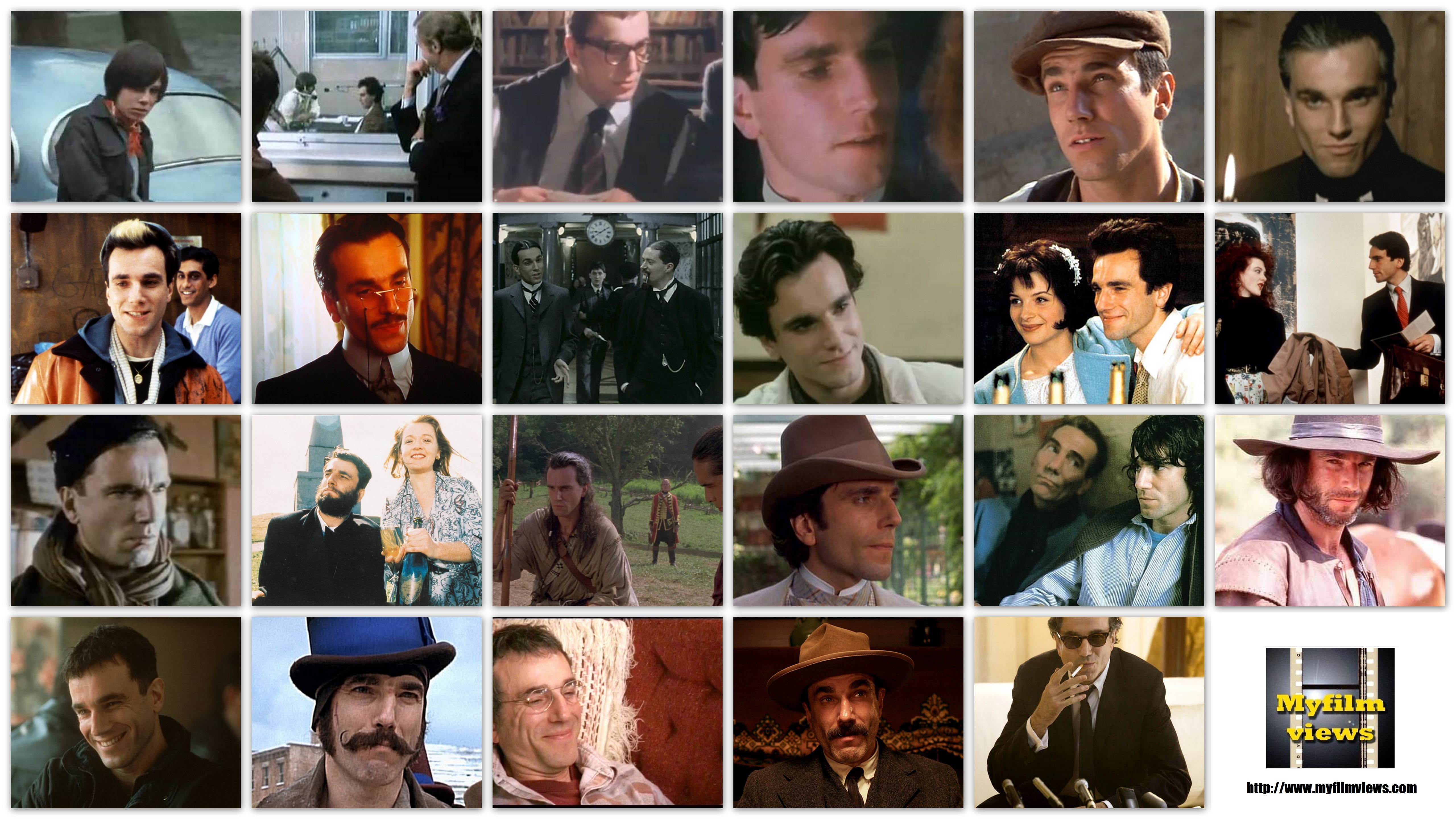
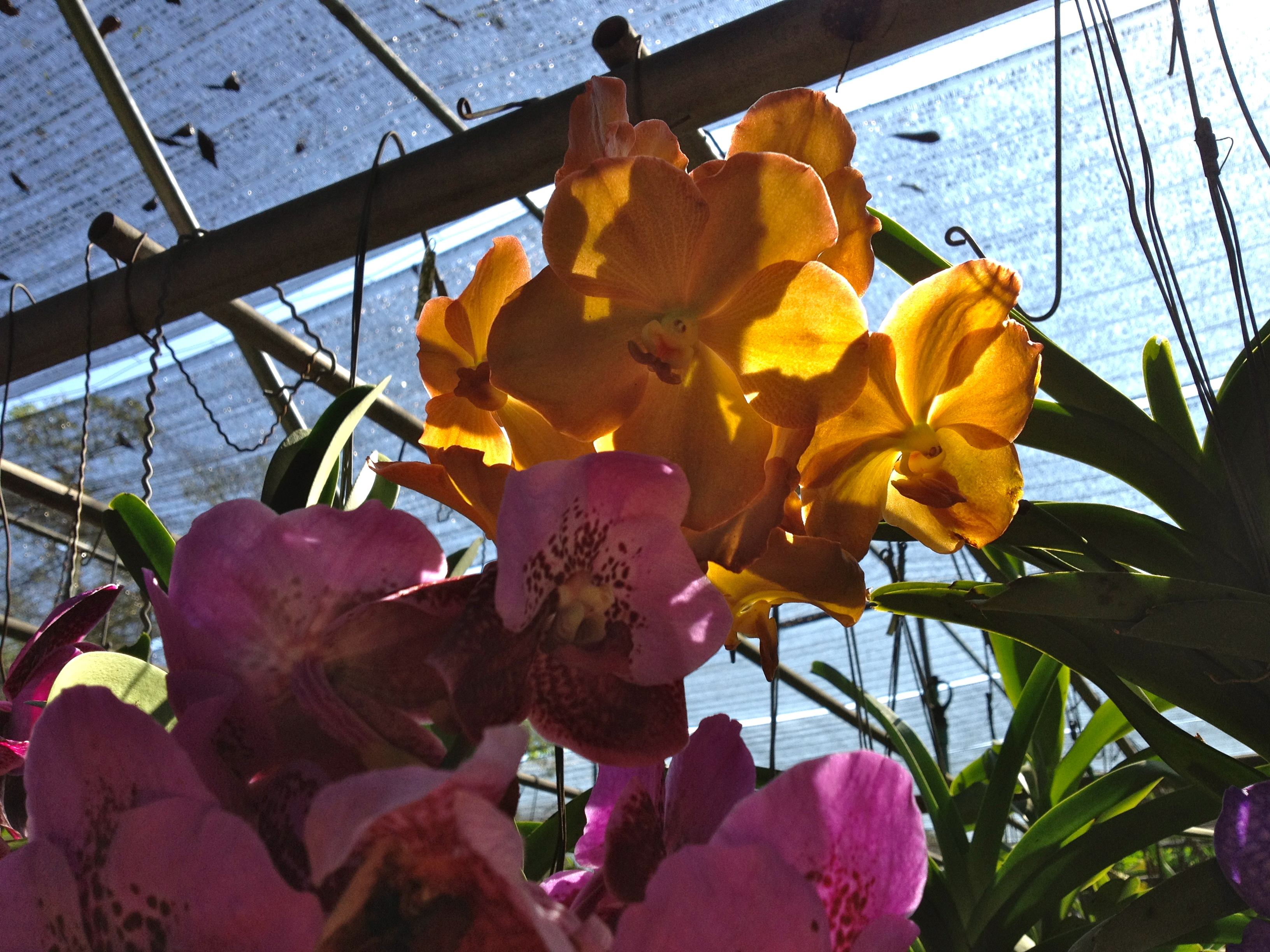
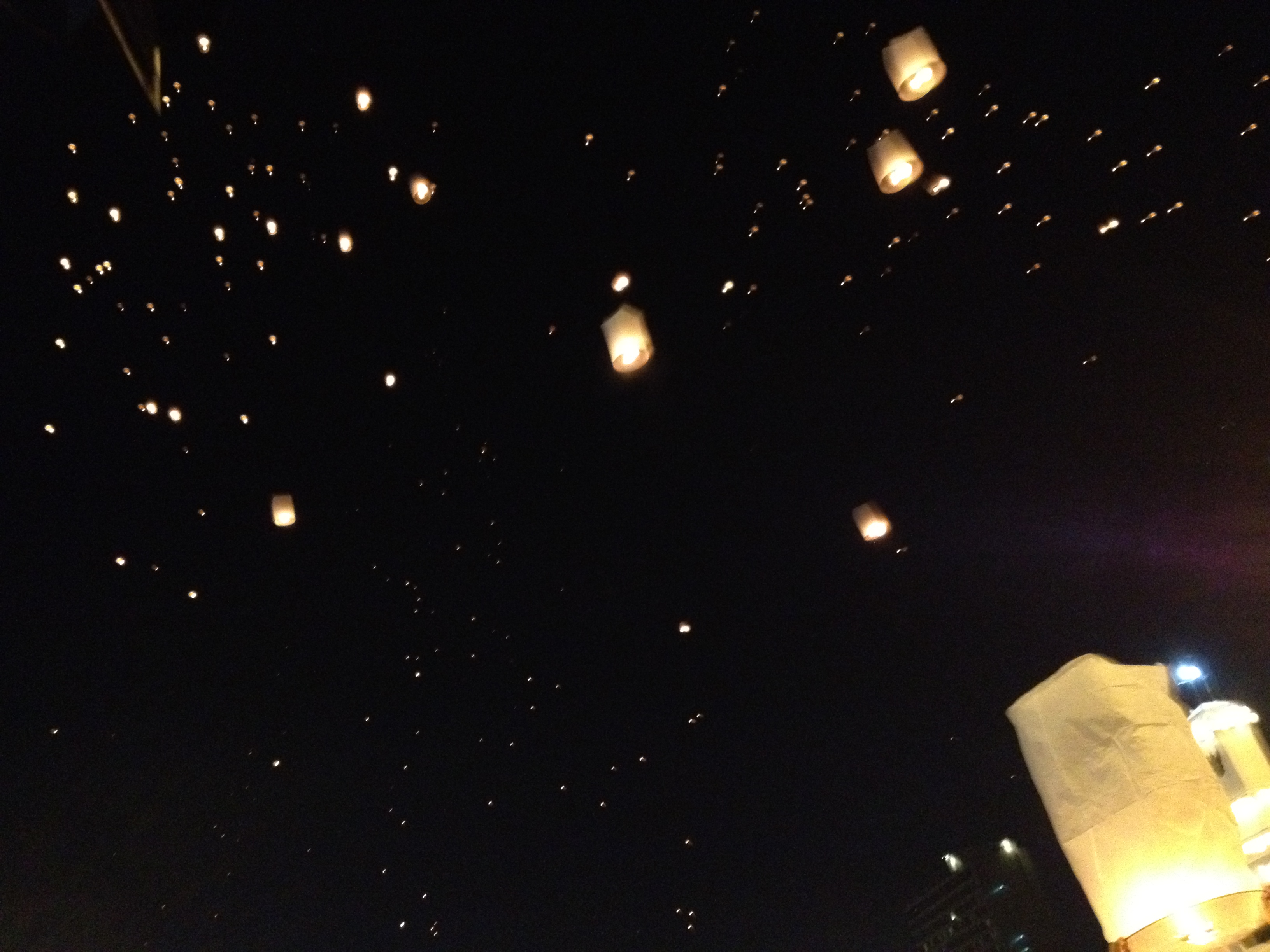
Gallery

The Curious Case of Daniel Day-Lewis

Am increasingly intrigued by the actor after reading almost everything I could found about him, his interviews, film reviews, tabloid rumors about him, even therapeautical analysis on his personality based on scanty information scattered around in the media about his childhood.

He gives exquisite interviews (as long as he is willing to give one), one of those that make light of real topics without diminishing them.

“The important thing is it’s a game. And that’s what people misunderstand. It’s a game, a very elaborate one. But, as far as possible, each of us is trying to go back to the playpen to retrieve that state of naivety which allows us to to to go through solid objects. You know, to create the illusion for ourselves that we are changing. So it’s a game, and a game is a pleasurable thing. The work is pleasure, yet it’s always presented as a form of elaborate self-flagellation.”

“I come from not just a household but a country where the finesse of language, well-balanced sentence, structure, syntax, these things are driven into us, and my parents, bless them, are great custodians of the English language. My mother [the actress Jill Balcon] loves the language. Yet for me, for whatever reason – maybe it was my small rebellion – it was inarticulacy that moved me.”

“The truth is – and this was part of the problem with Hamlet as well – you explore these things, you try to unleash these things which you hope will inform the life, but that doesn’t necessarily mean you’re going to be in control of them once you’ve opened the box.”

My favorite is the one done by The Independent seven years ago, in which he said he could spend upwards of a week “just staring out of the window, watching the wind whip across the Wicklow hills. Some people will consider this shamefully neglectful when one considers that there are always more pressing matters at hand, but for me, I have to tell you, it is time very well spent.”

Based on what I read, including all those demonizing stories that cast him in a caddish light [famously, or infamously, dumped Adjani by fax when she was pregnant], I tend to think, the person he could end up with, shall be the one who can be a good companion to all aspects of his personality, just like how he described Rebecca Miller (Arthur Miller’s daughter) in her Oscar acceptance speech.

daniel-day-lewis
DDL2

The Reality Is Somewhat More Prosaic

So all great minds, including mine, have come to a conclusion, peak experience is a rare thing and won’t last.

Schopenhauer says, life is a pendulum swinging between pain and boredom. You want something, you make an effort to get hold of it — this is pain; after you possess it, you get used to it and grow bored. The only peak moment is the short time right after you obtain what you want. But that sweetness won’t last long.

Proust says, love is moving back and forth between desire to possess, and equally strong desire to flee upon possession. The limits on eternity doesn’t lie specifically with love. They reside in the general difficulty of maintaining an appreciative relationship with anything or anyone that’s always around.

Human psyche is built as such. One the one hand, you have a burning urge for possession and security; on the other hand, you have a tempting tendency to get bored with what you’ve got and seek novelty. This is after millions of years of evolution.

Average human being craves security more than novelty. But long acquaintance is taxing for consciousness, which is embodied and would lose its elasticity after long-term gaze, at which point, it starts to wander and look for variety.

Proust again: “Afraid of losing her, we forget all the others. Sure of keeping her, we compare her with those others whom at once we prefer to her.”

Love A Refuge In Disguise

Nothing is more tempting than to use another person’s existence to escape from your own responsibility of living your life well. We cooked up so many devious means and elaborate facilities, a divinised love concept among the most powerful one, to run away from our own sufferings and the burden of responsibility to live the life that has been granted to us as a rare gift.

That is what Proust described as “vague, sentimental glow that our superficial self enjoys at being able to lean on another person as a convenient prop, and draw from the comfort and consolation that we cannot find within ourselves.”

Most of the time we look away from ourselves, inventing a number of grandiose excuses to do so.

L is the Answer

This is from Otto Rank:

“The patient must learn to live, to live with his split, his conflict, his ambivalence, which no therapy can take away, for if it could, it would take with it the actual spring of life. The more truly the ambivalence is accepted the more life and the possibilities of life will the human being have and be able to use.”

The real problem  — the unwillingness to accept this ambivalent condition of life, saying No to necessary suffering — ‘a refusal of life itself.’

Living with ambivalence. …similar to Freud’s famed definition of a successful therapy: afterwards the patient can replace neurotic misery with common unhappiness.

In the end, it is not work but love, the love of another human being who accepts us for who we are, that makes life bearable and meaningful.

It Goes On

Back to HK. Those a few days with Z in CM and BKK now felt like a dream, frozen in the wooden frame of time. They will transfigure over the course of time, with edges smoothed and details faded. But that emotional imprint will always be there.

A somewhat key figure in my own personal growth. His “life goes on” tagline provides me a healthy dose of hardcore realism. He also says, happiness is not an inferior emotion. Both of us see absurdity in life, but he gives it a humorous spin.

Don’t Waste Time on Thoughts about Life

Primarily, the experience of any moment is a sensory one if we aren’t identified with the stories mind brings into the moment, which create suffering. Yes, suffering is caused by thoughts about life, not by life itself. If we are just in the Now, the ups and downs of life don’t affect us because we aren’t bringing the story of the “up” and “down” into the present moment and what is showing up now.

Maybe true happiness is just, and only in the Now — but our egoistic mind is bored with it and refuses to take it, because it’s too plain, too ordinary, and doesn’t leave us feeling special or above the fray. It doesn’t take away our problems, which is the conditioned view of happiness. We’re socially trained to view happiness as no difficulties, no sickness, no more need for money and work, no more bad feelings, only unending pleasure, love and bliss. Such perfection is the default idea of a successful and happy life. However, this kind of happiness will never be attained by anyone.

Am I able to just enjoy this sweet moment with no agenda, no purpose, no reason but to just experience the moment as it is?

Wanting

“Don’t want too much,” the voices warned.

No. Want. Want life.

Want this fragile oasis of the galaxy to flourish.

Want fertility, want seasons, want this spectacular array of creatures, this brilliant balance of need.

Want it. Want it all.

Desire. Welcome her raging power. May her strength course through us.

Desire, she is life. Desire life.

Allow ourselves to desire life, to want this sweetness; so passionately, that we live for it.

— Ellen Bass, “Live For It”

The Intuitive Way

Has been exploring around in the field of alternative therapy and intuition development movement, from Louise Hay to Sonia Choquette.

Many of their suggestions are those I were actually practicing over these years — like being physically grounded is a solid requirement for tuning in to your vibes. Think Less, but Feel More; Choquette says, I’ve never known anyone to find answers from thinking things to death. Also, in order to live in a higher way, you should only make loose plans and be open to follow all intuitive urges along the way. Say yes to all your intuitive impulses.

“We can’t dictate the magic of life — we can only do our part to bring it about; and when we do, the magic of the Universe will rush in to meet us halfway,” — Choquette.

Recognize what feeds your spirit, and then give it to yourself without delay — don’t wait until all your problems are solved. Nurture yourself by realizing what lifts your heart, tickles your funny bones, engages your curiosity and stimulates your sense of wonder.

Originality

Impressions, like passions, pleasures and pains, are “original existences,” which “arise in the soul originally from unknown causes”.

From Hume’s Treatise:

“As to those impressions, which arise from the senses, their ultimate cause is, in my opinion, perfectly inexplicable by human reason, and ’twill always be impossible to decide with certainty, whether they arise immediately from the object, or are produc’d by the creative power of the mind, or are deriv’d from the author of our being.” (T, 84)

Putting My Head into the Mouth of the Demon

D.H. Lawrence wrote: “Men are not free when they are doing just what they like. Men are only free when they are doing what the deepest self likes.”

When we are motivated by immediate gratification to do “just what we like,” we will feel continuously driven: No amount of productivity or consuming or recognition can break through the trace of unworthiness and put us in touch with the “deepest self.” As Lawrence points out, to do what the deepest self likes “takes some diving.” To listen and respond to the longest of our heart requires a committed and genuine presence. The more completely we’re caught in the surface world of pursuing substitutes, the harder it is to dive.

Eat Like A Yogi

We need to learn how to use our six senses, our own personal experiences of trial and error. The climate, activities of the day, stressors, and physical symptoms are things that help us determine daily food choices. We, as part of nature, are also in a constant state of flux. An important part of the flexibility we cultivate in yoga is being able to be flexible about our food choices, tuning in every day, at every meal.

To increase your food flexibility, don’t simply accept the “rules” of others for what, when, and how much to eat. Question and explore for yourself. For instance, if you’re told that yoga practitioners don’t eat for seven hours before a practice, question it: “Does that sound like a good idea for my system? How do I feel if I go without eating that long? What are the benefits for me? What are the detriments?” Getting more and more bound up by rigid rules and restrictions, such as inflexible food dos and don’ts, only serves to further imprison us.

Just as you work in a yoga posture to align and realign with your inner core, so you can learn to recognize what foods your body needs. By bringing attention to your internal sense of what is appealing and what effects different foods have on you throughout the eating and digestion process, you will gradually learn to recognize exactly what your body needs and when you need it.

But this too should be practiced in moderation-becoming obsessed with tracking every sensation can quickly hinder rather than promote balance.

In both food and yoga practices, it’s essential to remain alive, conscious, and present in the moment. By not adhering blindly to strict rules or rigid structures, you can allow the process itself to teach you the best way to actually go about the practices.

If you are able in this way to keep all of your “systems” open, through the joy of exploration and unfolding curiosity, you can continually rediscover your own individual paths to balance.

Sacred Pause

Take the pause from time to time, and ask what I really care about; accept the actuality of what’s happening inside me, whether it’s hurt, regret, shame, anger, or ambiguity…then life becomes aligned.

In

Out

Deep

Slow

Calm

Ease

Smile

Release

Present Moment

Wonderful Moment

Only Moment